
Choosing the Right Incline Conveyor for Bulk Materials
20th Apr 2026
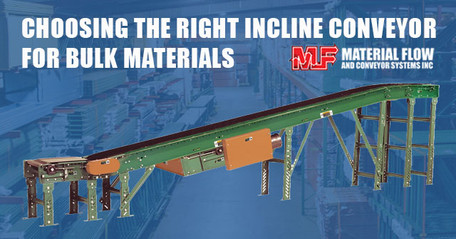
Choosing the right incline conveyor for bulk materials isn’t just about moving product from point A to point B—it’s about doing it efficiently, safely, and with minimal waste. The right system improves throughput, reduces maintenance costs, and prevents costly material loss. The wrong choice? It can create bottlenecks, increase downtime, and wear out equipment faster than expected.
At Material Flow, we help businesses design conveyor systems that are built to perform from day one. Here’s what you need to know when selecting the ideal incline conveyor for your operation.
Understand Your Bulk Material Characteristics
Everything starts with the material you’re moving. Bulk material handling systems must be designed around the physical properties of the product.
Key Questions to Ask:
- Is the material free-flowing or sticky?
- Is it a fine powder or large aggregate?
- Is it abrasive or corrosive?
- Is it wet, dry, or temperature-sensitive?
- Does it have uniform sizing or mixed particle distribution?
Why It Matters
Material characteristics directly impact:
- Belt type selection (smooth, cleated, or textured)
- Cleat design and spacing
- Sidewall requirements for containment
- Motor horsepower and torque needs
- Wear resistance and protective components
For example, sticky or wet materials may require cleated or sidewall belts to prevent rollback, while abrasive materials demand reinforced belts and wear-resistant components. Ignoring these factors often leads to spillage, excessive maintenance, and premature system failure.
Determine the Required Incline Angle
Not all materials behave the same when moving upward. The incline angle plays a critical role in conveyor performance.
Key Considerations:
- Angle of repose: The natural angle at which material rests without sliding
- Maximum incline for smooth belts: Typically limited to lower angles
- Cleated belts: Allow for steeper inclines by preventing rollback
- Sidewall conveyors: Essential for very steep angles or loose materials
The steeper the incline, the more likely material is to slide, shift, or spill. In extreme cases, a bucket elevator or vertical conveyor may be a better solution than a traditional incline belt.
Choose the Right Belt Style
Selecting the correct belt is one of the most important decisions in your conveyor system design.
Smooth Belt Conveyors
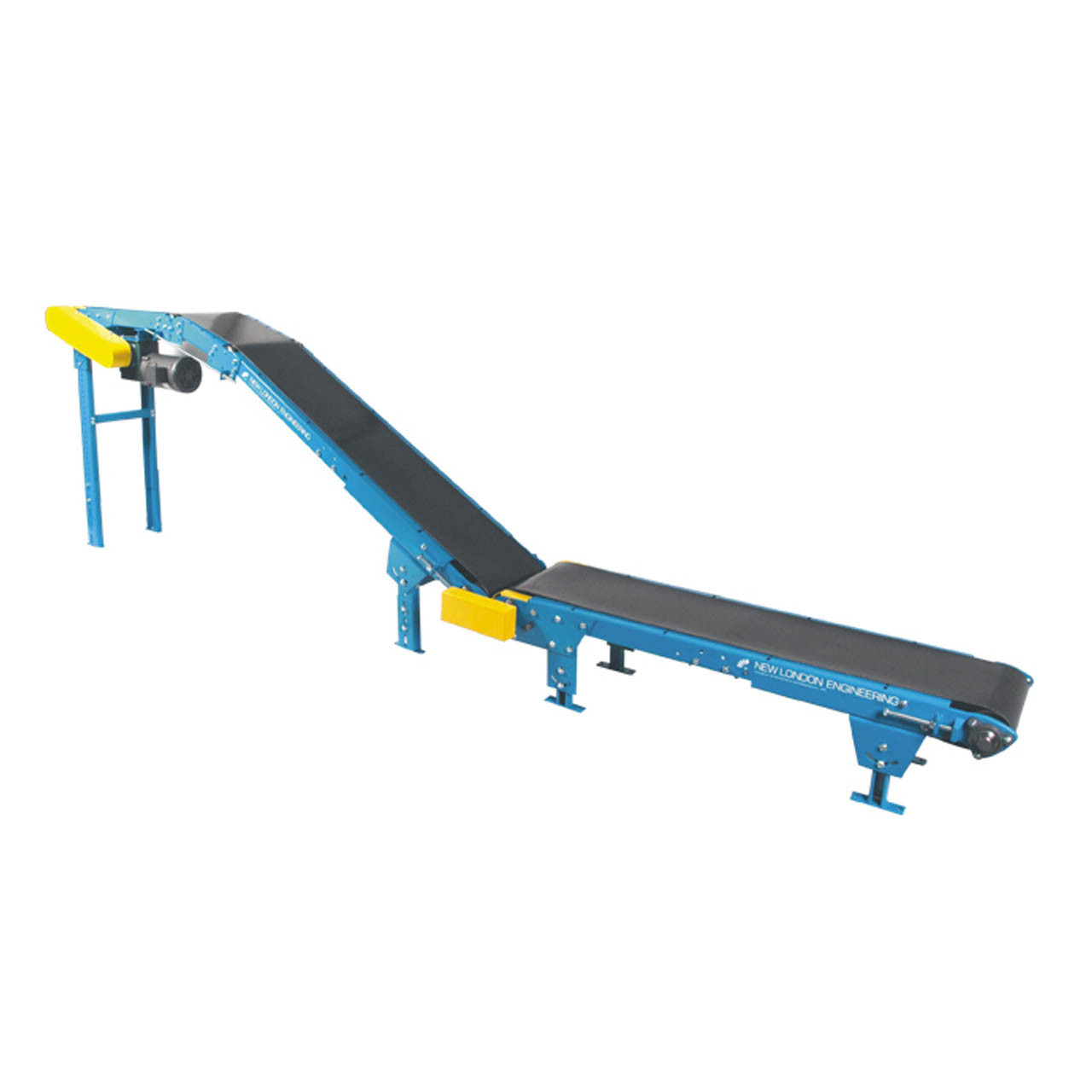
Best for:
- Moderate inclines
- Stable, non-shifting materials
Medium Duty Inclining Belt Conveyor with Smooth Belts
Cleated Belt Conveyors
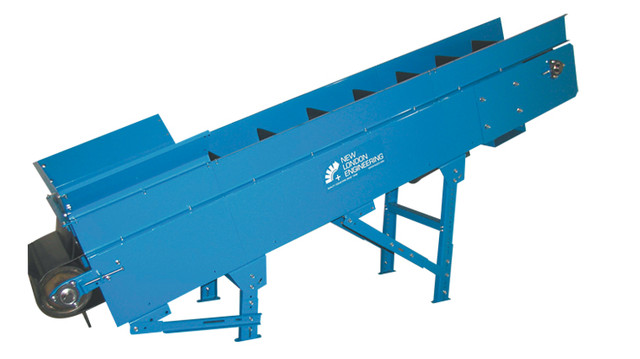
Ideal for:
- Loose or bulk materials
- Preventing rollback on steeper inclines
Medium Duty Inclining Belt Conveyor with Cleats
Sidewall Belt Conveyors
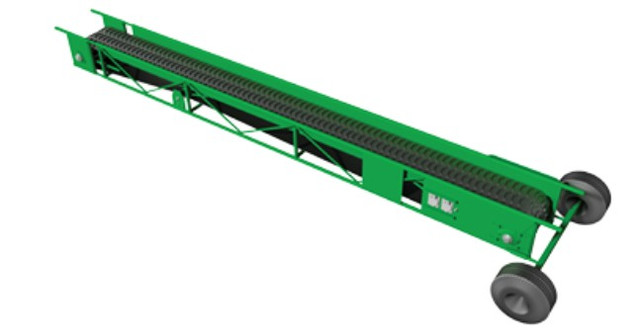
Perfect for:
- Steep incline applications
- Containing materials and preventing spillage
Rough-Top or Textured Belts
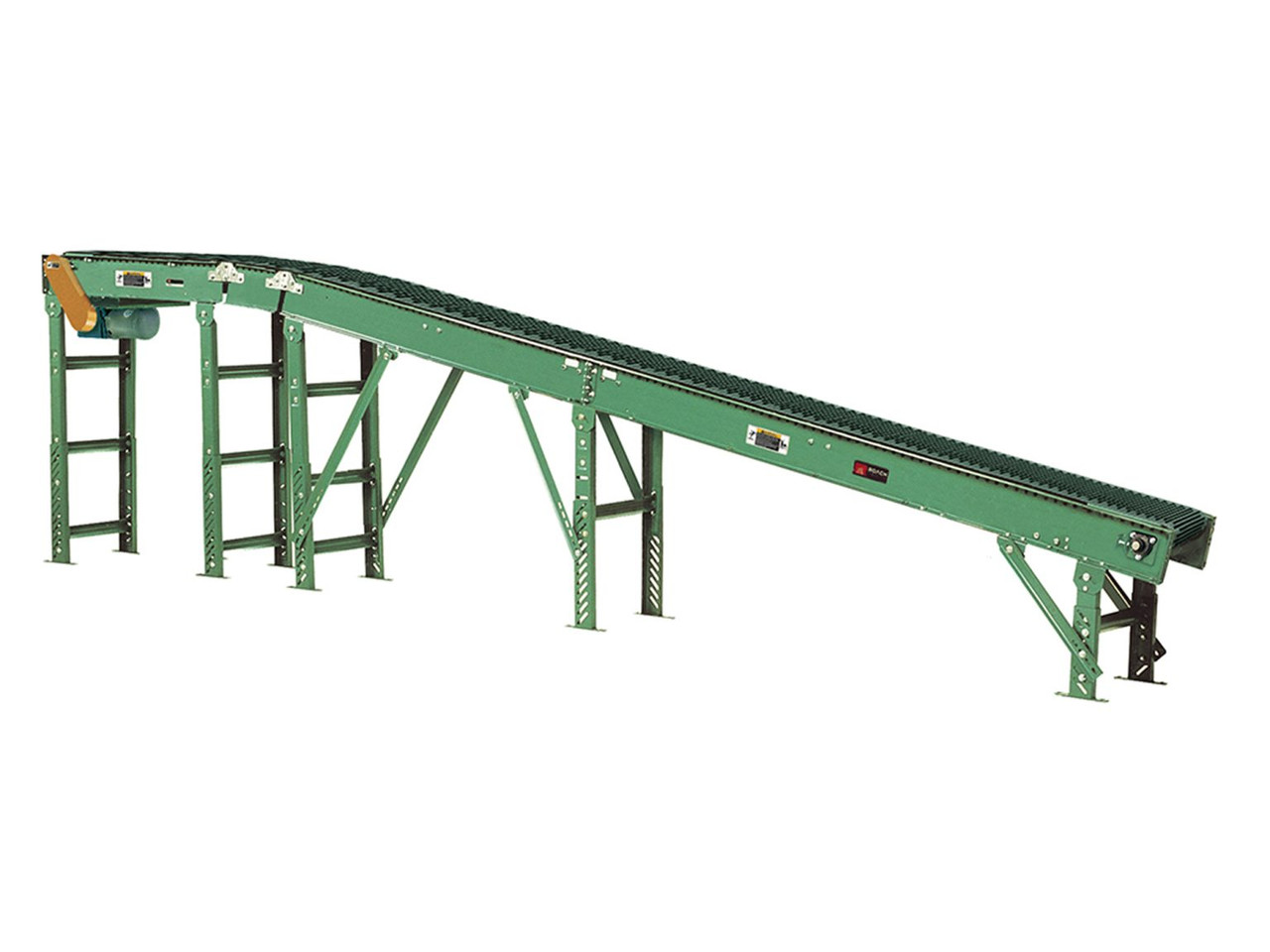
Used for:
- Improving grip
- Handling specific materials that tend to slip
Inclining Rough-Top/ Textured Belt Conveyor
Choosing the wrong belt type can result in material loss, increased wear, and reduced efficiency—all of which drive up operational costs.
Capacity and Throughput Requirements
Your incline conveyor must be sized correctly to match your operation’s demand.
Key Factors:
- Required throughput (tons per hour or pounds per hour)
- Surge capacity for peak loads
- Consistency of feed rate
- Integration with upstream and downstream equipment
An undersized conveyor creates bottlenecks and slows production. An oversized system wastes energy and increases capital costs. The goal is a balanced system that maximizes efficiency without overbuilding.
Environmental Considerations
Incline conveyors often operate in challenging conditions, and your system must be built to handle them.
Consider:
- Indoor vs. outdoor environments
- Moisture exposure or washdown requirements
- Corrosive materials
- High-temperature applications
- Dust control and containment
Solutions may include:
- Stainless steel frames
- Sealed bearings
- Conveyor covers
- Dust containment systems
Designing for the environment ensures long-term reliability and reduces unexpected downtime.
Maintenance and Durability
Bulk material handling systems are subject to constant wear. Designing for durability is essential.
Focus Areas:
- Belt wear from abrasive materials
- Ease of belt replacement
- Accessibility for cleaning and inspections
- Drive system strength and reliability
- Proper belt tensioning systems
At Material Flow, we emphasize systems that are easy to maintain because lower maintenance equals lower lifetime cost.
Safety Considerations
Incline conveyors are not just a productivity tool—they’re a critical part of workplace safety.
Essential Safety Features:
- Proper guarding
- Emergency stop systems
- Backstops to prevent rollback
- Material containment to reduce falling debris
- OSHA-compliant design
A well-designed conveyor system protects both your workers and your product.
Custom vs. Standard Conveyor Solutions
Not every operation can rely on a standard conveyor system.
When Standard Works:
- Straightforward incline angles
- Consistent material types
- Simple layouts
When Custom is Required:
- Tight facility footprints
- Complex system integration
- Unique material handling challenges
- Steep or unusual incline requirements
Material Flow specializes in custom-engineered incline conveyor systems designed to meet the exact needs of your operation.
Real-World Applications
Incline conveyors are used across a wide range of industries:
- Recycling facilities moving aggregate, scrap, and bulk waste
- Food processing plants handling grains, powders, and ingredients
- Distribution centers transporting cartons between elevations
- Manufacturing plants moving raw materials through production lines
Each application requires a tailored approach to maximize efficiency and reliability.
Final Thoughts: Invest in the Right Incline Conveyor
Selecting the right incline conveyor comes down to understanding your material, your environment, and your operational goals. Every detail—from belt type to incline angle—affects system performance.
By taking the time to evaluate these factors, you can invest in a solution that:
-
Improves efficiency
-
Enhances safety
-
Reduces maintenance costs
-
Delivers consistent, long-term performance
At Material Flow, we design incline conveyor systems that do more than move material—we help move your entire operation forward.
Ready to improve your operation?
Check out Material Flow’s Incline Conveyors to find a solution designed for efficiency, durability, and long-term performance.