
Why Hinged Lids Improve Safety in Waste Handling Operations
24th Jun 2026
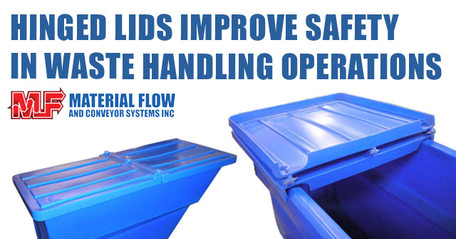
In any industrial setting, from bustling manufacturing plants and distribution centers to sterile food processing and healthcare environments, waste handling is a critical, yet often overlooked, aspect of daily operations. While the focus is typically on the materials being produced, the management of waste generated is equally important for maintaining a safe, efficient, and compliant workplace. A seemingly minor detail in container design—the presence of a hinged lid—can have a significant and positive impact on safety, efficiency, and even the bottom line.
- Reduced Spill and Exposure Risks
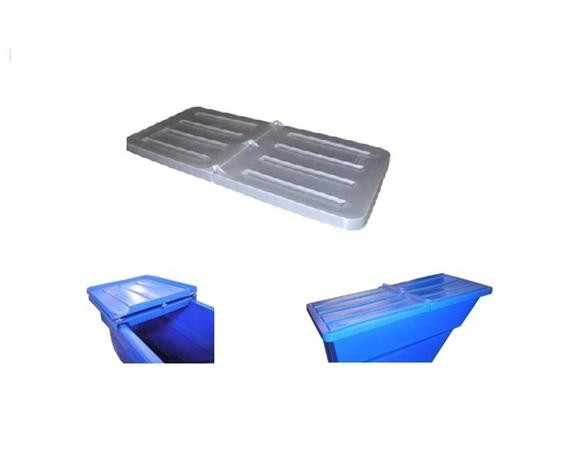
The most immediate benefit of a hinged lid is its ability to provide consistent and reliable closure. Loose or removable lids can be easily misplaced, improperly seated, or dropped during transport, creating an opening for spills and worker exposure. This is particularly critical in environments where dust, debris, liquids, or hazardous materials are being handled. A hinged lid, by remaining permanently attached to the container, ensures a secure seal every time, effectively containing its contents and preventing accidental exposure.

- Lower Risk of Workplace Injuries
Waste handling is a physically demanding job, and improper equipment can lead to a variety of workplace injuries. According to the U.S. Bureau of Labor Statistics, the waste and remediation services sector consistently reports high rates of nonfatal occupational injuries and illnesses [1]. Common injuries in waste handling include strains from lifting heavy lids, pinch points from repositioning covers, and slips and trips from misplaced lids on the floor. Hinged lids mitigate these risks by:
- Eliminating repetitive lid removal: The controlled open-and-close motion reduces strain and fatigue.
- Keeping walkways clear: With the lid attached to the container, it cannot become a trip hazard.
- Improving ergonomics: The design of hinged lids often allows for easier and more controlled loading of waste.
- Improved Regulatory Compliance
For facilities that handle regulated or hazardous waste, proper containment is not just a best practice—it's a legal requirement. Both the Occupational Safety and Health Administration (OSHA) and the Environmental Protection Agency (EPA) have stringent regulations regarding the storage and handling of such materials. For instance, the EPA's satellite accumulation area regulations under 40 CFR 262.15 require that containers holding hazardous waste must be kept closed except when adding or removing waste [2]. Hinged lids help facilities meet these requirements by ensuring that containers are always properly sealed, reducing the risk of non-compliance during safety audits and inspections.
Don't Overlook Hinged Bins and Containers
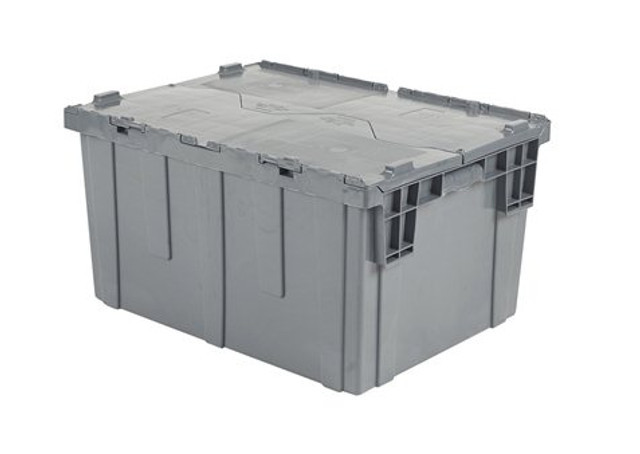
While hinged lids are commonly associated with waste handling equipment, hinged bins and containers offer many of the same benefits across a wide range of industrial applications. Hinged bins help keep tools, parts, supplies, and inventory organized while protecting contents from dust, debris, moisture, and accidental contamination.
Because the lid remains attached to the container, workers can quickly access materials without worrying about misplaced covers or exposed contents. This improves workplace organization, supports 5S initiatives, and helps maintain cleaner, safer work environments. Whether used in manufacturing, warehouses, distribution centers, or maintenance operations, hinged bins and containers provide a simple yet effective solution for protecting valuable materials while improving operational efficiency.
- Better Contamination and Odor Control
Open waste containers can be a significant source of airborne contamination and unpleasant odors. In food-grade or medical environments, this can lead to cross-contamination between work zones and compromise sanitation standards. Hinged lids create a barrier that minimizes the release of airborne particulates and helps to contain odors, contributing to a cleaner and healthier overall facility.

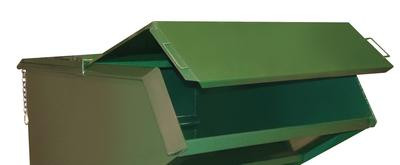
Meco Omaha Self Dumping Hopper Lids
- Increased Operational Efficiency
Safety and productivity are intrinsically linked. A safer workplace is often a more efficient one. Hinged lids contribute to operational efficiency by:
- Speeding up waste disposal workflows: Workers do not have to spend time searching for or struggling with misplaced lids.
- Reducing interruptions: Downtime from spill cleanup is minimized.
- Supporting standardized procedures: Hinged lids are a key component of the 5S lean manufacturing methodology, which emphasizes an organized and efficient workspace [3].
- Cost Savings from Risk Reduction
The safety and efficiency improvements offered by hinged lids translate directly into cost savings. By reducing the risk of injuries, spills, and contamination, facilities can see a significant reduction in:
- Fewer injury claims and associated costs.
- Reduced cleanup costs for spills.
- Lower losses from contaminated products.
- Less damage to equipment.
This demonstrates that a relatively small investment in improved container design can deliver a substantial long-term return on investment.
- Choosing the Right Hinged Lid System
Not all hinged lid systems are created equal. When selecting a container, it is important to consider the specific needs of your facility. Factors to consider include:
- Material type: Steel, plastic, and corrosion-resistant coatings are available to suit different types of waste.
- Locking features: For hazardous or sensitive waste, locking lids provide an extra layer of security.
- Usage environment: Consider whether the container will be used indoors or outdoors.
- Capacity requirements: Choose a size that is appropriate for the volume of waste generated.
At Material Flow, we offer a wide range of waste handling solutions and can help you select the right container and hinged lid system for your needs.
Explore Hoppers with Hinged Lids and Waste Containers Designed for Safer, More Efficient Operations
- Real-World Applications
The benefits of hinged lids are realized across a wide range of industries, including:
- Manufacturing plants: For the disposal of scrap metal, packaging materials, and other industrial waste.
- Distribution centers: To manage packaging waste and maintain a clean and organized workspace.
- Recycling operations: For the safe and efficient handling of sorted materials.
- Food processing facilities: To ensure sanitation and prevent contamination.
- Healthcare and pharmaceutical environments: For the secure containment of medical and hazardous waste.
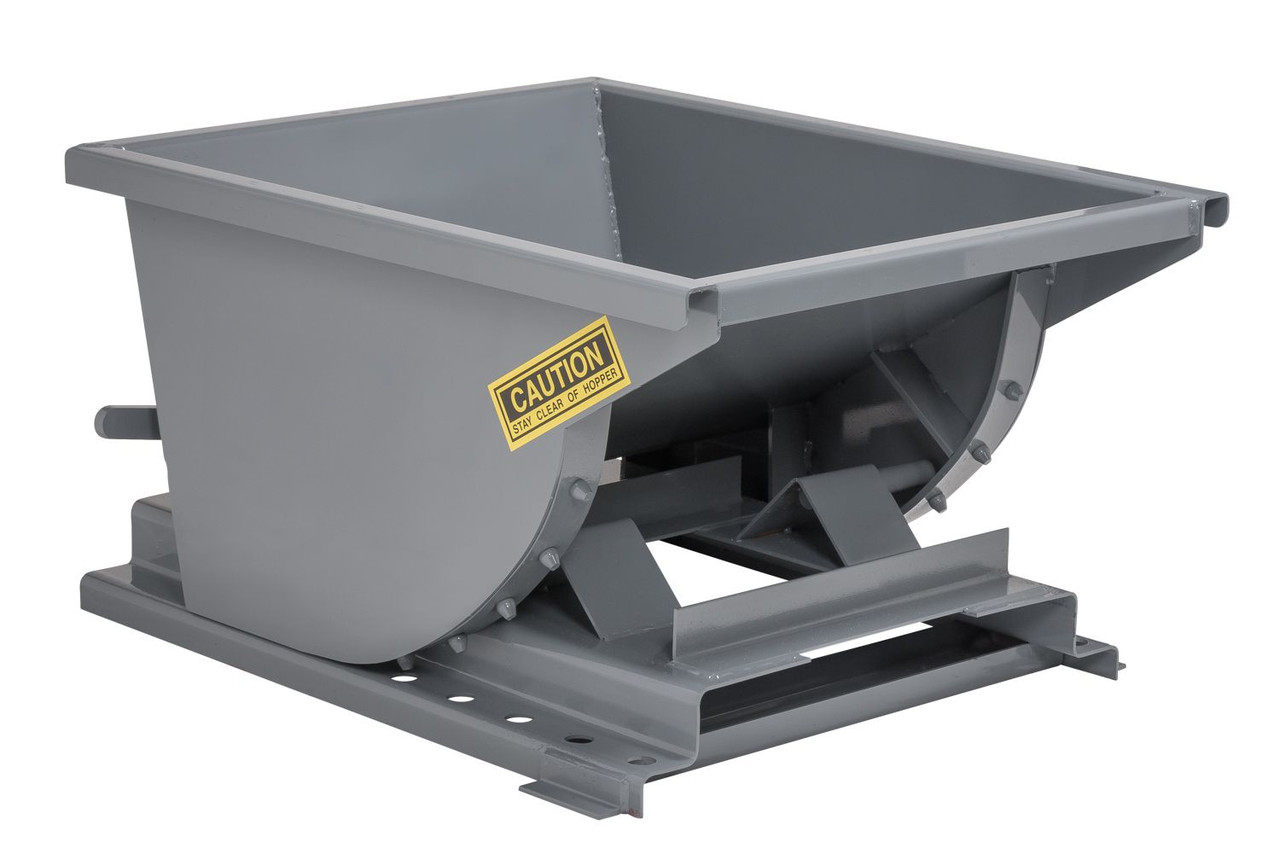
Browse Self-Dumping Hoppers, Hinged Lid Systems, Recycling Hoppers, and More
Conclusion: Small Design, Major Safety Impact
Improving safety in waste handling operations does not always require complex and expensive systems. As we have seen, a simple design feature like a hinged lid can have a major impact on safety, compliance, and efficiency. By making smarter choices in container design, facilities can create a safer and more productive work environment for their employees.
Ready to improve your facility's waste handling safety and efficiency? Explore Material Flow’s innovative waste handling and container solutions. Contact our team today to evaluate your current waste management setup and identify safer, more efficient options.
Shop Material Flow's Waste Handling Solutions Today
References:
[1] U.S. Bureau of Labor Statistics. (2026, January 22). TABLE 1. Incidence rates of nonfatal occupational injuries and illnesses by industry and case types, 2024. https://www.bls.gov/web/osh/table-1-industry-rates-national.htm
[2] eCFR. 40 CFR 262.15 -- Satellite accumulation area regulations for small and large quantity generators. https://www.ecfr.gov/current/title-40/chapter-I/subchapter-I/part-262/subpart-A/section-262.15
[3] Environmental Protection Agency. (2025, September 23). Lean Thinking and Methods - 5S. https://www.epa.gov/sustainability/lean-thinking-and-methods-5s