Choosing the Best Ladders and Stairways for Your Facility
7th Jan 2026
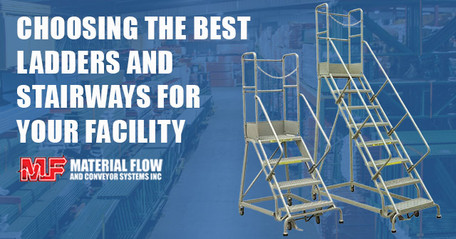
In warehouses, manufacturing plants, and distribution centers, safely and efficiently accessing elevated storage is critical. Whether employees are picking inventory, performing maintenance, or accessing mezzanines, the right ladder or stairway can improve productivity while reducing the risk of injuries and compliance issues.
This guide breaks down the most common ladder and stairway options—including rolling ladders, fixed ladders, cage ladders, and industrial stairways—so you can choose the best solution for your facility.
Why Choosing the Right Access Equipment Matters
Improper access solutions can lead to:
- Increased fall risk and workplace injuries
- OSHA compliance issues
- Slower picking and maintenance workflows
- Employee fatigue and inefficiency
Investing in the right ladder or stairway improves safety, efficiency, and long-term operational performance.
Rolling Ladders: Flexible Access for Active Work Areas

Best for:
- Warehouses
- Retail stockrooms
- Order-picking environments
- Facilities with frequently changing layouts
Pros
- Mobile and easy to reposition
- Wide steps and handrails improve stability
- Ideal for accessing shelving and racks at varying heights
- Available in multiple heights and step widths
Cons
- Require floor space to maneuver
- Not intended for permanent access points
- Must be properly locked before use
Rolling ladders are one of the most versatile solutions for facilities that need frequent access to elevated shelves.
See our Selection of Rolling Ladders
Fixed Ladders: Permanent Vertical Access

Best for:
- Equipment platforms
- Rooftop access
- Mezzanines
- Mechanical rooms
Pros
- Permanent and space-efficient
- Strong, durable construction
- Minimal floor footprint
Cons
- Steeper climb than stairways
- Less comfortable for frequent use
- Often require additional safety features
Fixed ladders work best when access is infrequent or limited to trained personnel.
Cage Ladders: Added Protection for Vertical Climbs
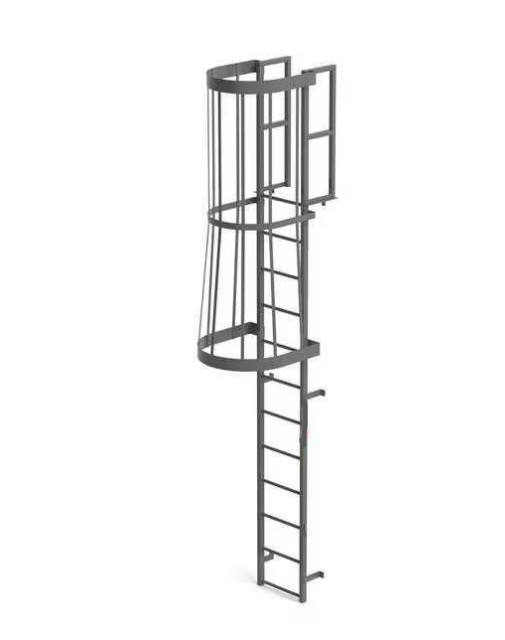
Best for:
- Tall vertical climbs
- Rooftops and silos
- Outdoor or industrial environments
- OSHA-regulated access points
Pros
- Protective cage improves fall safety
- Required for certain height thresholds
- Durable for long-term, outdoor use
Cons
- Not suitable for carrying items
- Steep climb can be physically demanding
- Less efficient for frequent daily access
Cage ladders are often used where regulatory compliance and vertical safety are the top priorities.
Industrial Stairways: The Safest and Most User-Friendly Option
Best for:
- Mezzanines
- Elevated work platforms
- High-traffic access points
- Facilities prioritizing ergonomics
Pros
- Most comfortable and safest option
- Easy for employees carrying tools or materials
- Ideal for frequent use
- Reduces strain and fatigue
Cons
- Requires more floor space
- Higher upfront cost compared to ladders
Industrial stairways are the best solution when employee comfort, efficiency, and safety are critical.
Browse Industrial Stairways
How to Choose the Right Option for Your Facility
When selecting a ladder or stairway, consider:
- Height of access required
- Frequency of use (occasional vs daily)
- Available floor space
- Load capacity needs
- OSHA and safety compliance requirements
- Indoor vs outdoor environment
Matching the access solution to your workflow ensures long-term performance and safety.
Safety and Compliance Considerations
Always verify that ladders and stairways meet:
- OSHA standards
- Proper load ratings
- Slip-resistant steps and platforms
- Guardrails, cages, or fall protection when required
Compliance protects both your employees and your business.